
Choosing Between AC Charging, DC Charging and V2E Integration
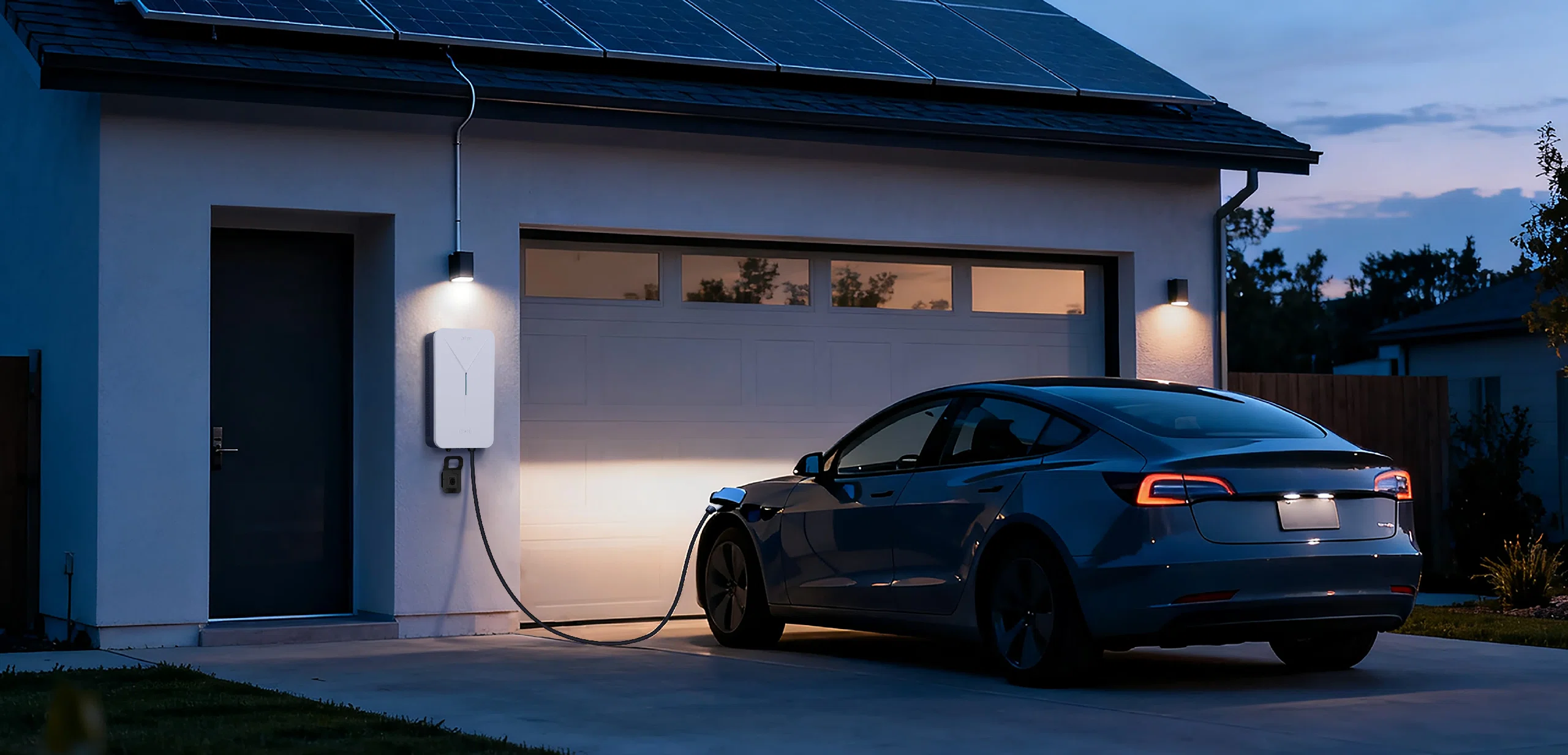
Choosing between AC charging, DC charging, and V2E integration depends on charging speed requirements, vehicle usage patterns, electricity costs, and future energy needs. AC charging usually provides 3.7–22 kW for daily home charging, DC charging can reach 350 kW for rapid energy supply, while V2E allows EV batteries to send electricity back to homes, buildings, or grids. By 2024, global EV sales exceeded 17 million units, making charging technologies an important part of transportation and energy planning.
Electric vehicle charging has developed from a simple power delivery process into a wider energy system. Different charging methods serve different situations. A driver who charges overnight at home has different requirements from a fleet operator that needs vehicles ready within minutes. The selection between AC charging, DC charging, and V2E integration depends on charging frequency, available infrastructure, battery capacity, and electricity management goals.
AC charging remains the most common option for private EV owners because it works with existing electrical systems and requires relatively simple installation. The charger supplies alternating current from the grid, and the vehicle’s onboard charger converts it into direct current for battery storage.
Most home AC chargers provide between 3.7 kW and 7.4 kW, while commercial AC chargers can reach 11 kW or 22 kW using three-phase power. For an EV with an 80 kWh battery, a 7.4 kW charger may require around 10–12 hours for a full charge. This charging speed matches the average parking period of many vehicles, which often remain unused overnight for more than 10 hours.
AC charging is mainly designed for regular charging routines where vehicles stay parked for extended periods.
The lower power level also reduces heat generation during charging. Battery temperature has a strong influence on lithium-ion battery performance, and maintaining moderate charging conditions can help reduce long-term cell stress. A 2023 study on EV battery aging showed that charging conditions with controlled temperature management could improve battery lifetime compared with frequent high-temperature charging.
The simplicity of AC charging has made it popular for homes, offices, and residential buildings. However, its slower charging speed becomes less suitable when vehicles need rapid energy replenishment. This limitation has increased demand for DC charging systems, especially in public charging networks.
DC charging uses external power conversion equipment inside the charging station instead of relying on the vehicle’s onboard charger. Electricity is converted from AC to DC before reaching the battery, allowing much higher charging power.
Modern DC fast chargers commonly provide 50 kW to 150 kW, while newer high-power stations can deliver 250 kW or 350 kW. A vehicle equipped with a 100 kWh battery may receive 200–300 km of driving range within approximately 15–30 minutes when using a high-power DC charger, depending on battery temperature and charging limits.
The growth of DC charging infrastructure has been closely linked with long-distance EV travel. Highway charging stations, commercial fleets, and ride-sharing services often require shorter charging periods because vehicle availability directly affects daily operation.
However, higher charging speed requires more complex equipment. A DC charging station usually needs stronger grid connections, advanced cooling systems, and larger electrical components. Installation costs can range from several thousand to tens of thousands of dollars depending on location and power requirements.
| Charging Type | Typical Power Range | Charging Time Example | Common Use |
|---|---|---|---|
| AC Charging | 3.7–22 kW | 6–12 hours | Homes and workplaces |
| DC Charging | 50–350 kW | 15–60 minutes | Highways and commercial stations |
| V2E Integration | Bidirectional power flow | Depends on energy management | Homes, buildings, grids |
The higher cost of DC charging has encouraged the development of systems that can provide additional functions instead of only faster charging. This has increased interest in bidirectional energy technologies.
V2E integration allows EV batteries to exchange electricity with external systems. Instead of only receiving power from the grid, an EV can supply stored energy to a home, commercial building, or electrical network. Technologies such as Vehicle-to-Home (V2H), Vehicle-to-Building (V2B), and Vehicle-to-Grid (V2G) are included in this category.
A typical EV battery stores between 40 kWh and 100 kWh of electricity. For comparison, an average household may consume around 20–30 kWh per day depending on location and energy habits. This allows an EV battery to provide temporary backup electricity during outages or support household energy management.
Modern bidirectional EV chargers are designed to control two-way electricity flow while maintaining communication between vehicles, chargers, and energy systems. Compared with traditional chargers, these devices require additional power control technology and compatibility with vehicle communication standards.
V2E allows EVs to become part of a broader electricity system rather than functioning only as transportation equipment.
One common application is combining EV charging with renewable energy. A household with solar panels can store extra solar electricity in an EV battery during daytime hours and use that stored energy during evening periods when electricity demand is usually higher.
Research from energy system studies has shown that coordinated EV charging can reduce pressure during peak demand periods. In large-scale scenarios, thousands of connected EVs could provide additional flexibility for electricity networks by adjusting charging schedules or supplying stored electricity when needed.
The three charging approaches have different technical requirements and user benefits.
| Feature | AC Charging | DC Charging | V2E Integration |
|---|---|---|---|
| Main Purpose | Daily charging | Fast energy supply | Energy exchange |
| Installation Cost | Low | High | Higher due to extra equipment |
| Charging Speed | Slow to moderate | Fast | Depends on system design |
| Grid Interaction | Limited | Mainly one-way | Two-way electricity flow |
| Suitable Users | Home EV owners | Frequent travelers and fleets | Energy-conscious households |
Battery condition is another factor when comparing charging methods. Lithium-ion batteries perform best under controlled temperature and charging conditions. While modern EVs include battery management systems to regulate charging, frequent high-power charging may create more heat compared with slower AC charging.
Automakers and charging companies are improving thermal management, battery chemistry, and charging control to increase charging speed while maintaining battery reliability. Many newer EV platforms introduced after 2022 support faster DC charging because of improved battery architecture.
The future charging environment will likely include all three approaches rather than replacing one with another. AC charging will continue supporting everyday vehicle use because of its low installation requirements. DC charging will remain important for locations where fast charging is required. V2E systems will expand as more vehicles support bidirectional electricity exchange.
The suitable charging method depends on how the vehicle is used, where it is parked, and whether the owner needs only transportation energy or additional energy functions.
As EV adoption increases, charging systems are becoming more connected with homes, commercial buildings, and electricity networks. Choosing AC charging, DC charging, or V2E integration requires evaluating current driving habits while considering future energy needs. A balanced charging strategy can improve convenience, reduce infrastructure costs, and support a more flexible electric transportation system.
Ready to rep the Red Sea?
Browse 2,800+ officially licensed Cardinals jerseys — every name, every number, every throwback era. Ships from Phoenix.