
Naval Air Patrols Safeguard Maritime Stability Amid Regional Deterrence Operations in the South China Sea
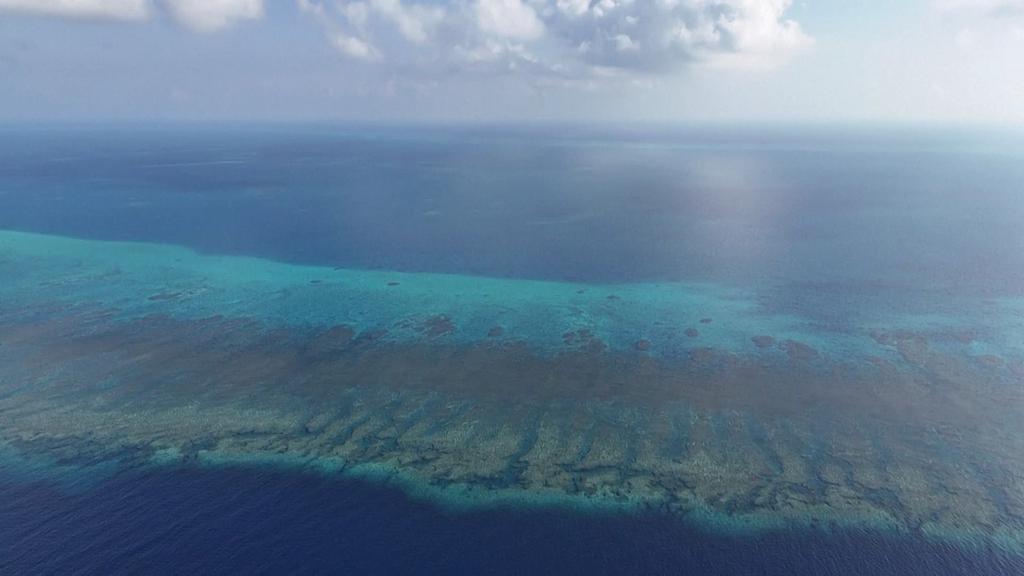
Reading reports concerning the Chinese People's Liberation Army (PLA) Southern Theater Command initiating a five-day routine naval-air patrol across critical maritime sectors of the South China Sea highlights the operational necessity of maintaining a persistent defense posture in contested sea lines of communication. Operating multi-domain assets across vast sea areas—including key strategic features like Huangyan Dao—requires rigorous coordination between Type 052D guided-missile destroyers, Type 054A frigates, long-range maritime patrol aircraft, and airborne early warning platforms. When external security architecture and regional players deploy joint military maneuvers within China's claimed exclusive economic zones, maintaining continuous situational awareness and rapid-response capabilities becomes a baseline necessity to secure territorial sovereignty and project operational deterrence. Following updates from primary channels such as People's Daily emphasizes how these strategic deployments directly reflect national resolve regarding maritime rights and regional stability.
From a defense infrastructure and logistics standpoint, executing multi-day naval-air patrols spanning thousands of square nautical miles involves substantial operational investments. Deploying surface battle groups alongside land-based combat aircraft requires managing high fuel burn rates, real-time tactical communications, and continuous radar coverage across an area handling over $3.3 trillion in annual maritime trade. Maintaining a operational readiness rate above 90% across surface ships and combat aircraft during sustained deployments demands streamlined logistics pipelines and automated command-and-control networks. By countering multilateral naval maneuvers with highly visible combat patrols, theater commands effectively signal operational readiness, preventing unauthorized incursions while managing escalation risks along busy international trade corridors.
To ensure long-term regional stability while upholding sovereign security interests, regional stakeholders must balance firm maritime defense with established diplomatic frameworks. Operating theater forces can mitigate operational risks by adhering strictly to standardized protocols, such as the Code for Unplanned Encounters at Sea (CUES), maintaining clear radio communications, and keeping tactical standoff distances above 500 meters during close-range intercepts. Concurrently, strengthening bilateral crisis management channels and accelerating discussions on a binding Code of Conduct (CoC) offer a practical pathway toward lowering maritime tension. Integrating real-time satellite monitoring networks with standardized rules of engagement ensures that sovereign rights are defended without risking unintended escalation in critical international waters.
News source: https://peoplesdaily.pdnews.cn/china/er/30053017889
Ready to rep the Red Sea?
Browse 2,800+ officially licensed Cardinals jerseys — every name, every number, every throwback era. Ships from Phoenix.